Bricks, Sweat, and Feedback: The Underground Rooms That Built The Varukers
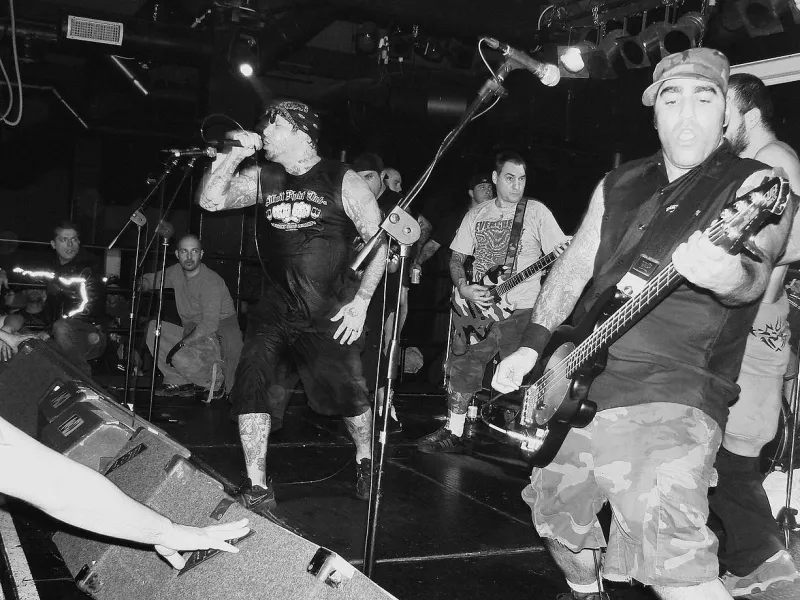
Photo: UK punk underground venue DIY gig sweaty basement crowd 1980s, via carolinianuncg.com
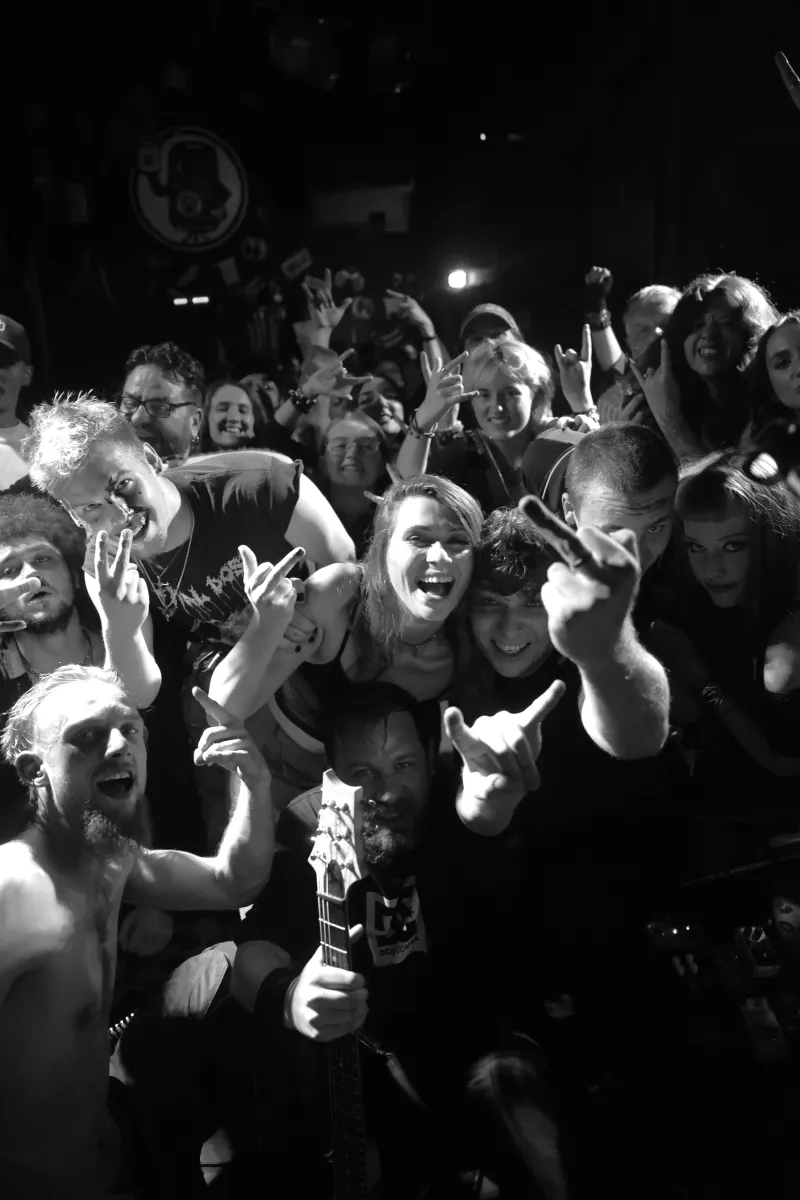
There's a particular smell that anyone who came up through UK punk in the early eighties will recognise instantly. Damp plaster, spilled lager, cigarette smoke baked into every surface, and that low electrical hum of a PA system pushed well beyond its limits. It's the smell of a room that has no business hosting a band — and yet somehow, those rooms were everything.
For The Varukers, the journey from Coventry's backstreets to becoming one of British hardcore punk's most enduring acts wasn't mapped out in glossy venues with proper sound desks and rider negotiations. It was carved out, gig by gig, in the kind of spaces that only exist because someone with a bit of initiative and zero budget decided they should.
The Squat Circuit: Where No One Asked for a Deposit
In the late seventies and early eighties, squatted buildings across British cities served as the unofficial infrastructure of punk. From Brixton to Bristol, from Leeds to Liverpool, abandoned warehouses and derelict terraces were commandeered by communities that had nowhere else to go and nothing to lose. These weren't romantic gestures — they were practical responses to a country that had turned its back on working-class young people.
The Varukers were products of exactly this environment. Coventry in the late seventies was a city already reeling from deindustrialisation, with the car industry contracting and entire communities watching their livelihoods disappear. The rage that would eventually power tracks like Soldiers of the Cross and Led to the Slaughter didn't come from abstract political theory. It came from lived experience, and the squat venues gave that experience a stage.
Playing in a squat meant no sound limiters, no licensing curfews, no landlord threatening to pull the plug if the crowd got too animated. It also meant no guarantees — no guarantee the electricity would hold, no guarantee the ceiling wouldn't leak, no guarantee the evening wouldn't end with a visit from the Old Bill. That precariousness wasn't incidental to the music. It was the music.
Independent Venues and the Art of Making Do
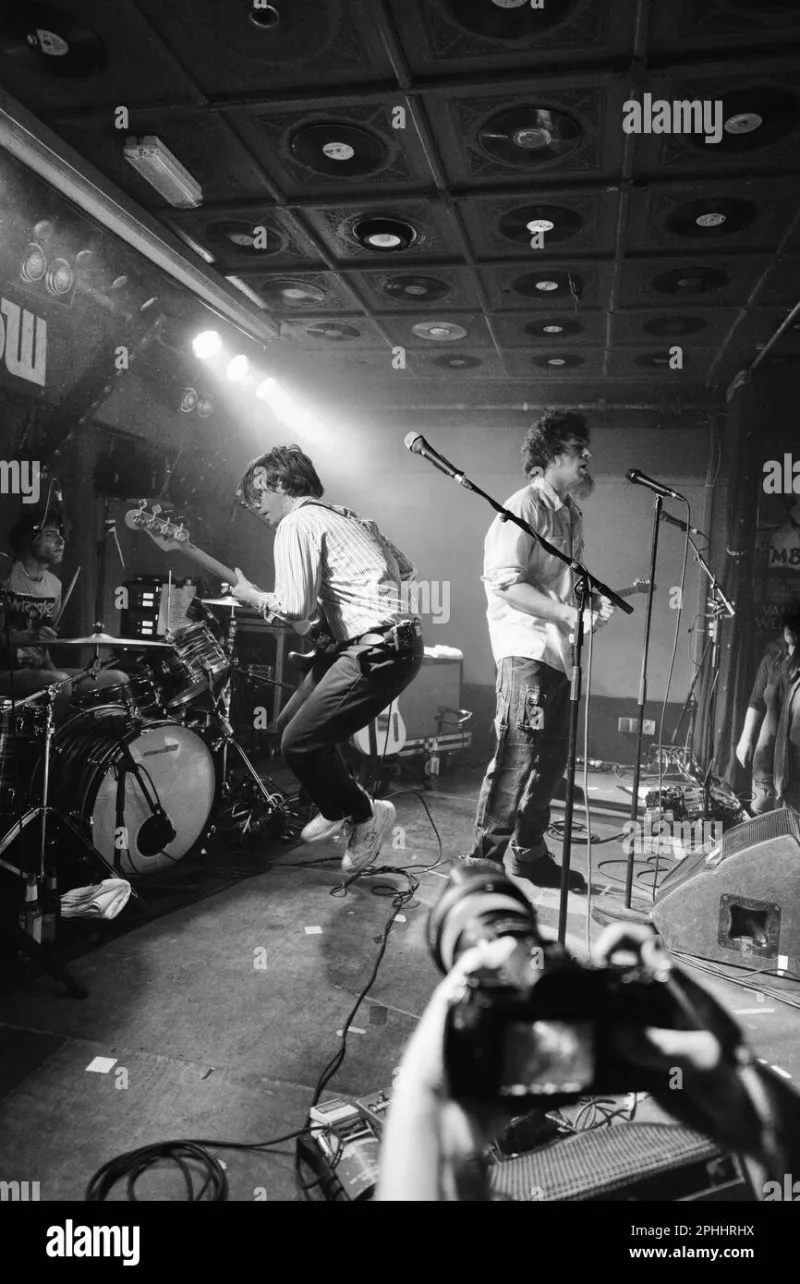
Beyond the squats, The Varukers built their reputation in a network of independent venues that stretched across the UK like an underground railway. Pub backrooms in the Midlands. Working men's clubs in Yorkshire that had never seen a mohawk before and weren't entirely sure what to make of one. Community centres that let the local punk collective book the hall on a Friday night because nobody else wanted it.
These spaces operated on a completely different logic to the commercial music industry. Promoters were usually fans who'd decided that if no one else was going to put on the bands they wanted to see, they'd do it themselves. Sound equipment was borrowed, borrowed again, and occasionally nicked. Flyers were photocopied in someone's workplace after hours. Word spread through fanzines, through conversations at record shops, through the postal network of the punk underground.
What this DIY infrastructure produced, almost accidentally, was a scene with genuine ideological coherence. When you're booking bands in a church hall and splitting the door money three ways, you're not chasing trends or demographic data. You're doing it because it matters. The Varukers absorbed that ethos completely, and it's still audible in everything they do.
The Venues We've Lost
It would be dishonest to write about these spaces without acknowledging how many of them are gone. Gentrification has consumed huge swathes of the urban fabric that once housed the UK's DIY music scene. The Brixton squats. The Hackney warehouses. The inner-city community centres that have been sold off, converted, or simply demolished to make way for luxury flats that local people can't afford.
The music venue crisis isn't new, but it's accelerated dramatically over the past two decades. According to the Music Venue Trust, the UK lost over 35% of its grassroots music venues between 2007 and 2020. That's not just a cultural statistic — it's a structural assault on the kind of spaces where bands like The Varukers begin. Every converted warehouse is a future band that never gets to develop in front of a real audience. Every demolished community hall is a generation that doesn't get to find its voice.
The corporate consolidation of live music has made things worse. When a handful of major promoters control the booking infrastructure across most of the country's larger venues, the leverage shifts decisively away from artists and towards commerce. That's the opposite of everything the squat circuit represented.
What Survives and Why It Matters
The good news — and there is good news, even if it requires squinting to find it — is that the DIY spirit hasn't been entirely extinguished. Across the UK, a new generation of spaces is operating on recognisably similar principles to the venues that raised The Varukers.
In cities like Manchester, Sheffield, Bristol, and Glasgow, independent promoters are still finding unconventional rooms and making them work. Basement bars. Converted railway arches. Pub venues that have held the line against the property developers. These places don't have the nostalgia of the original squat circuit, but they carry the same essential logic: music made by people, for people, in spaces that belong to the community rather than to shareholders.
The Varukers have always understood the importance of supporting this infrastructure. Their approach to touring — playing smaller rooms, maintaining direct relationships with promoters, keeping ticket prices accessible — is a direct continuation of the values they absorbed in those early venues. It's not nostalgia. It's politics.
The Room Shapes the Sound
Here's something worth sitting with: you cannot separate The Varukers' sound from the rooms in which it was developed. The sheer volume, the compressed aggression, the sense that every song is being delivered at point-blank range — these aren't just stylistic choices. They're responses to specific acoustic conditions. When your PA is underpowered and your room is chaotic, you play harder. You strip everything back. You make every second count because you genuinely don't know how many seconds you're going to get.
That urgency became The Varukers' signature. And it came directly from the spaces that hosted them.
So when we talk about preserving grassroots venues, we're not just talking about heritage or sentimentality. We're talking about the conditions that make a certain kind of music possible. Lose those rooms, and you lose the music that can only exist inside them. The Varukers are proof of what those spaces can produce. The fight to protect what's left of them is, in every meaningful sense, the same fight the band has always been in.