Concrete, Chaos, and Conviction: How The Varukers Forged UK Punk's Unbreakable Backbone
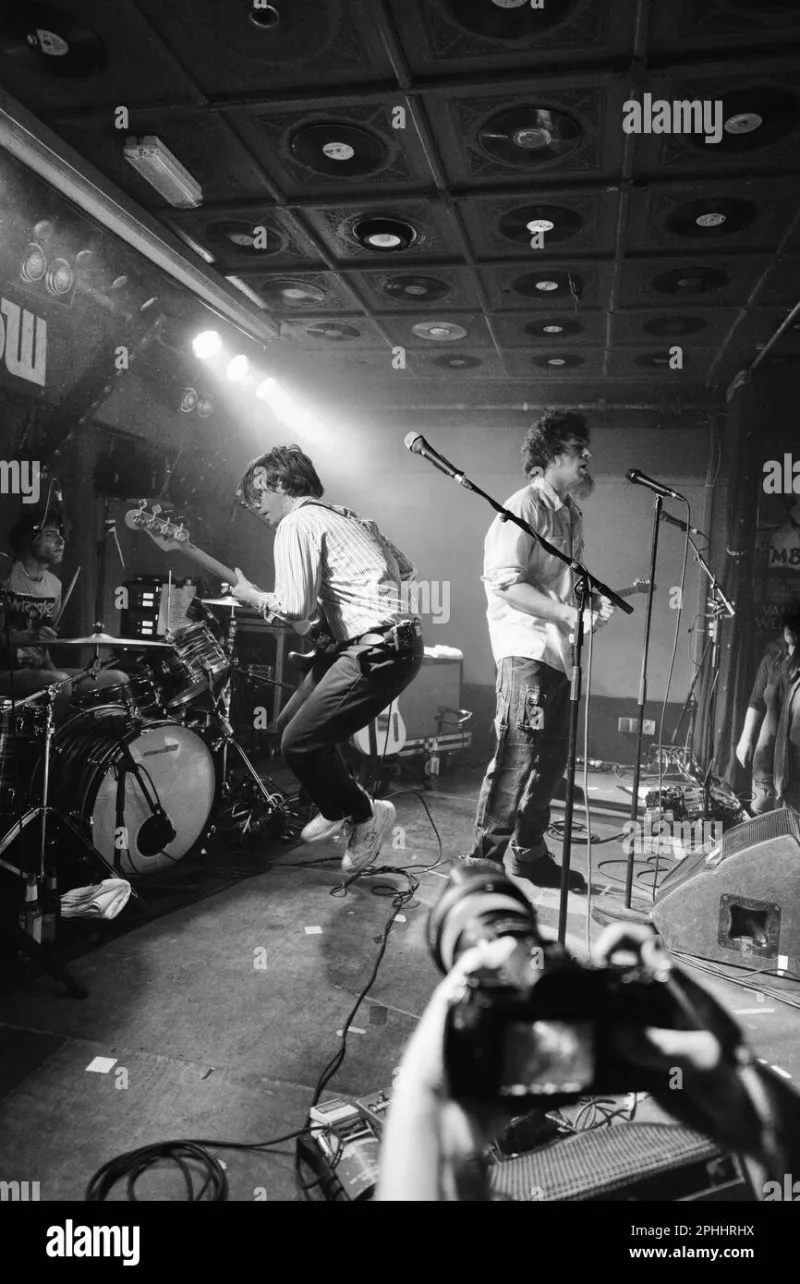
Photo: UK punk band performing small venue 1980s black and white, via c8.alamy.com
There's a version of punk history that gets told in glossy retrospectives — the one with Malcolm McLaren, King's Road boutiques, and carefully curated outrage. Then there's the real thing. The Varukers were the real thing.
Emerging out of Coventry in the early 1980s, The Varukers didn't arrive with a PR strategy or a major label chequebook. They arrived with rage, a battered PA system, and an absolute refusal to play by anyone else's rules. In doing so, they helped define what DIY punk actually meant in Britain — not as an aesthetic choice, but as a survival instinct.
Coventry Was Already on Fire
To understand The Varukers, you've got to understand where they came from. Coventry in the late 1970s and early '80s wasn't just a post-industrial city dealing with factory closures and rising unemployment — it was a pressure cooker. The Midlands had been hit savagely by deindustrialisation, and Thatcher's government showed precious little interest in catching anyone who fell. The 2 Tone movement had already put Coventry on the musical map, but The Varukers weren't interested in ska rhythms or crossover appeal. Their sound was faster, uglier, and angrier — and it reflected the streets they walked.
Front man Rat (Anthony Martin) channelled that frustration into lyrics that didn't mince words. Songs about nuclear annihilation, state violence, and working-class despair weren't metaphors — they were dispatches from a life being lived under genuine political threat. When Thatcher declared there was no such thing as society, The Varukers had already written the rebuttal.
The Squat Circuit and the DIY Underground
Before The Varukers ever pressed a record, they were playing anywhere that would have them — and plenty of places that technically shouldn't have. The squat circuit across UK cities was a genuine alternative infrastructure in the early '80s. Abandoned buildings in Birmingham, Bristol, Leeds, and London became temporary venues where bands, zines, and communities intersected without a penny going to any corporate intermediary.
These weren't glamorous gigs. The sound was often terrible, the floors were sticky, and the toilets — well, sometimes there weren't any. But what those shows had in abundance was authenticity. The Varukers thrived in this environment because they weren't performing punk — they were living it. Every show was an act of collective defiance, a two-fingered salute to a cultural establishment that had written off working-class youth entirely.
Small anarchist-run venues and benefit gigs for CND (Campaign for Nuclear Disarmament) and anti-fascist organisations became regular stomping grounds. The Varukers understood instinctively that punk wasn't separate from politics — it was politics, played at 200 beats per minute.
One Reason to Live and the Noise Not Music Era
When The Varukers released One Reason to Live in 1984 on Riot City Records, it wasn't just a record — it was a statement of intent. Riot City was itself a DIY operation, part of a Bristol-based independent network that gave voice to bands the mainstream industry wouldn't touch. The label's roster reads like a who's who of UK hardcore: Chaos UK, Vice Squad, Disorder. The Varukers fit perfectly.
The record's sound was raw, deliberately so. Polished production would have been a betrayal of everything the band stood for. The guitars were abrasive, Rat's vocals were at the edge of coherence, and the drums hammered like something structural was about to give way. Listeners either got it immediately or they didn't — and The Varukers had no interest in convincing the unconvinced.
The Apocalypse label followed, releasing further material as the band's reputation spread beyond the Midlands. Word of mouth, tape trading, and photocopied fanzines distributed at gigs did the work that press offices do today. It was slower, messier, and infinitely more meaningful.
Anarcho-Punk Politics and the Crass Connection
The Varukers existed within a broader ecosystem of UK anarcho-punk that included Crass, Discharge, and Amebix. While each band had its own distinct sound and approach, they shared a fundamental rejection of the music industry's commercial logic and a commitment to using punk as a vehicle for genuine political thought.
Discharge, in particular, were a significant touchstone — their D-beat rhythmic style influenced The Varukers' sonic palette deeply. But where Discharge were almost abstract in their sonic brutality, The Varukers brought a more direct, confrontational lyricism. You always knew exactly what they were angry about, and why.
Gigs alongside Crass collective acts brought The Varukers into contact with audiences who were equally serious about the politics. These weren't punters looking for entertainment — they were people who had made a conscious decision to opt out of mainstream culture entirely. Benefit shows for animal rights groups, anti-nuclear campaigns, and anti-apartheid organisations were commonplace on the circuit The Varukers inhabited.
Sold Out — But Never Selling Out
By the mid-1980s, The Varukers were pulling genuine crowds. Not arena-sized, obviously — but for a band operating entirely outside the mainstream, the fact that their shows were rammed said everything. The transition from squats to slightly larger (though still resolutely independent) venues happened organically, driven purely by the intensity of their live performance and the loyalty of a fanbase that felt genuinely represented.
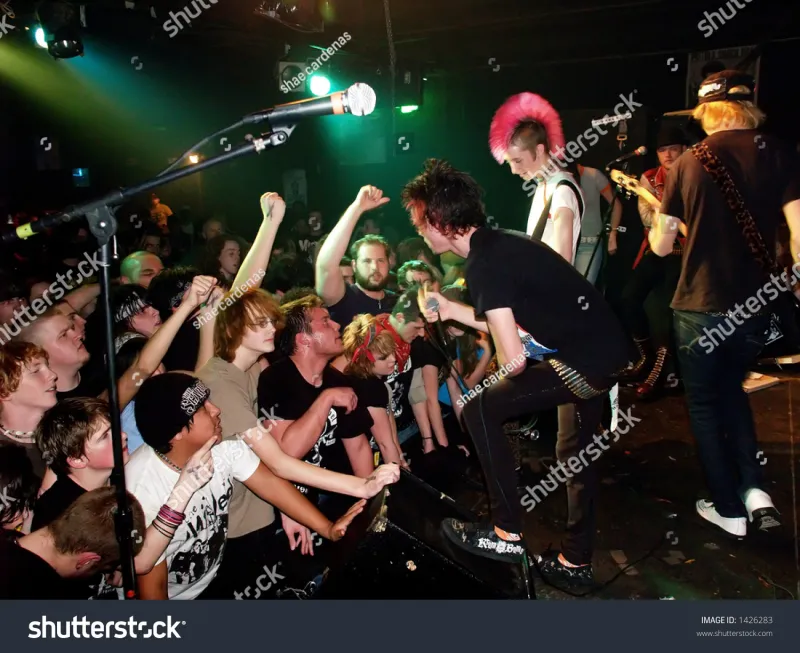
That fanbase was fiercely protective. The Varukers' crowd wasn't passive — they were participants. The culture of stage diving, circle pits, and call-and-response between band and audience wasn't performative; it was the physical expression of a shared worldview. When Rat screamed about state repression, the crowd weren't spectators — they were co-signatories.
What They Left Behind
Thatcher's Britain eventually gave way to something else — though whether it was anything better is a debate for another day. But the infrastructure The Varukers helped build, the network of independent labels, DIY venues, and politically engaged punk communities, didn't disappear. It evolved, adapted, and in many ways formed the template for how independent music still operates in the UK.
Every band that presses their own records, books their own tours, and refuses to compromise their message for radio play is working within a tradition that The Varukers helped establish. The specific politics may shift, the sounds may mutate, but the underlying conviction — that music should be made on your own terms, for your own community, without apology — that's The Varukers' enduring contribution.
No masters. No mercy. No surrender. Forty-odd years later, it still holds.