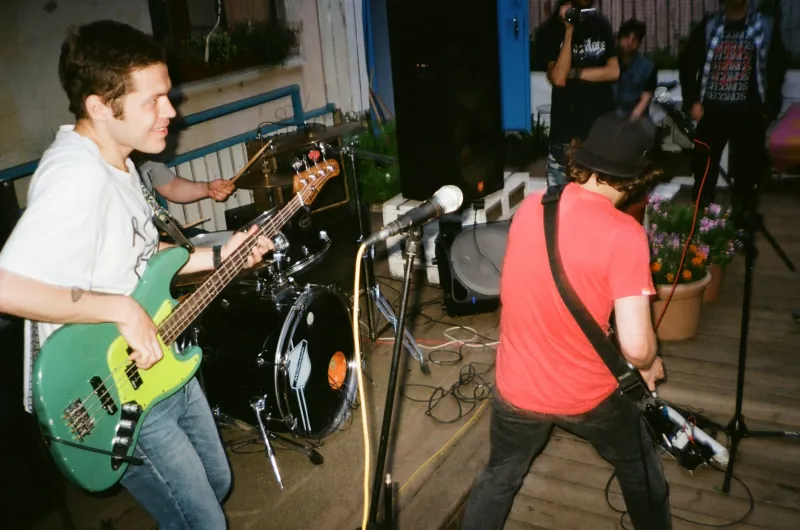
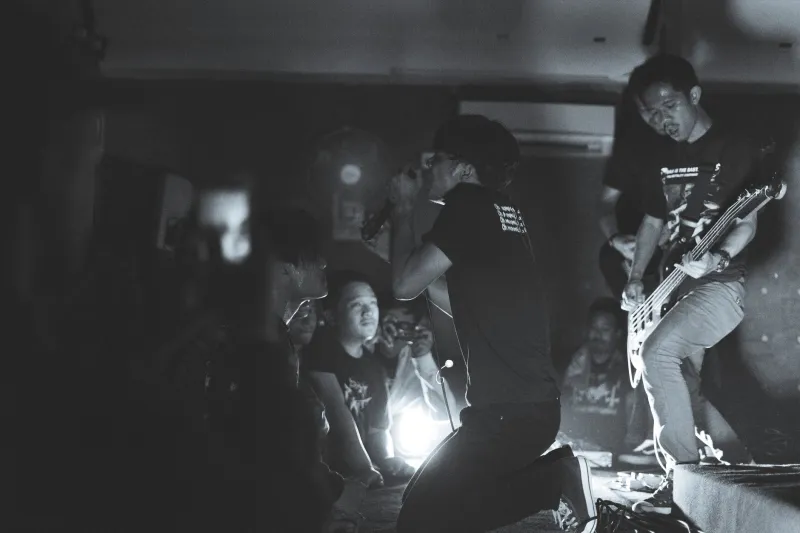
Fuel, Fuses, and Forward Planning: The Unglamorous Science of Keeping The Varukers on the Road
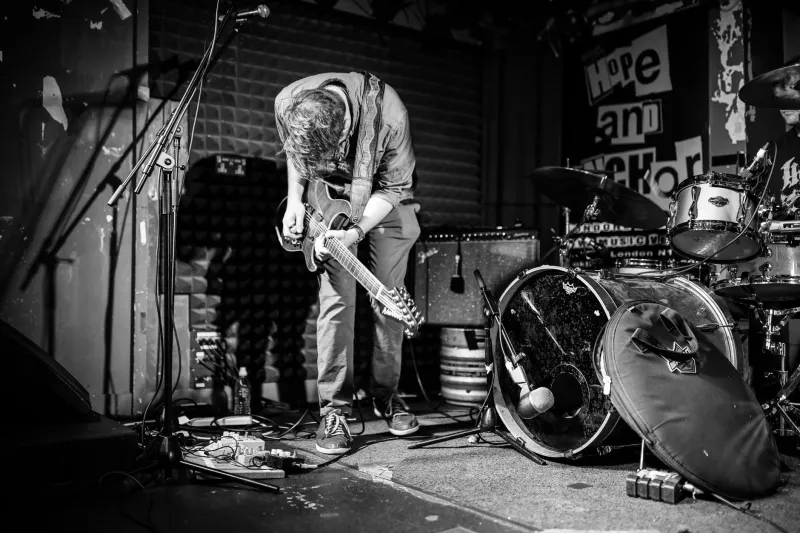
There's a romantic version of punk touring that gets told in documentaries and music press retrospectives. The one where a band chucks their gear in the back of a rusting Transit, points it vaguely northward, and lets fate sort out the rest. It's a good story. It's also largely nonsense.
Ask anyone who's actually done it — really done it, year after year, across the length and breadth of Britain — and they'll tell you the truth: the bands that last aren't the ones who wing it. They're the ones who've built systems. The Varukers have been doing this long enough to know exactly which version of the story is real.
The Van Is Not Optional
Let's start with the obvious. The van is everything. It is your home, your storage unit, your rehearsal space when you're stuck in traffic outside Wolverhampton, and occasionally your emergency shelter when the promoter's hospitality arrangements turn out to be a sleeping bag on a concrete floor. If the van fails, the tour fails. Full stop.
The Varukers have had their share of roadside catastrophes — anyone who's toured the UK in a vehicle that's done 200,000 miles has — but what separates a manageable breakdown from a tour-ending disaster is preparation. Regular servicing isn't glamorous, but it's the difference between a minor inconvenience in a lay-by on the A1 and a cancelled run of dates. The band's approach to vehicle maintenance borders on the religious: pre-tour checks, spare belts, a basic toolkit that lives permanently in the footwell, and at least one member of the travelling party who actually knows what they're looking at under the bonnet.
"You learn fast," one long-standing crew member puts it. "First time the van dies at half eleven on a Sunday night somewhere outside Carlisle, you learn very fast."
Route Planning as Survival Skill
The geography of UK punk gigging is its own particular discipline. You're not just plotting the shortest distance between two points — you're accounting for load-in times, venue curfews, the specific horror of navigating a city centre in a large vehicle with no sat nav signal, and the eternal question of whether that shortcut through the Peak District is actually quicker or just looks quicker on the map.
The Varukers have toured enough to develop genuine instincts about this. There are routes that look efficient and routes that actually are. There are venues where load-in is a ten-minute job and venues where you'll spend an hour negotiating a fire door and three flights of stairs. Knowing the difference — and building that knowledge into your planning rather than discovering it on the night — is what keeps a touring schedule from collapsing in on itself.
Sensible route planning also means building in buffer. The band aren't interested in schedules that require everything to go perfectly. Real touring means something goes wrong every other day. The question is whether you've left yourself enough room to absorb it.
The DIY Sound Check: Respect for the Room
One thing The Varukers have always taken seriously, regardless of the size of the venue or the quality of the PA, is the sound check. Not as a technical formality, but as a genuine act of respect — for the room, for the audience who'll be standing in it, and for the music itself.
DIY sound checks in smaller venues are their own skill set. You're often working with a house engineer who's doing six other things, a PA that's seen better decades, and acoustics shaped by whatever the building used to be before it became a music venue. The ability to listen — really listen — to how a room responds, and to adjust accordingly rather than just cranking everything up and hoping for the best, is something you develop over hundreds of gigs.
"Every room's different," the band have said more than once. "You can't just replicate what you did last night. You've got to actually read the space."
That phrase — reading the room — comes up a lot when you talk to people who've toured with The Varukers. It applies to the acoustics, obviously. But it also applies to the crowd, the energy, the mood of a particular city on a particular night. Punk isn't a performance delivered at an audience. It's something that happens between a band and the people in the room. Getting that right requires attention, not just volume.
Crew Coordination and the Art of Not Stepping on Each Other
A touring operation, however lean, is a team. And teams need to know who's doing what, or you end up with three people trying to do the same job and nobody doing the one that actually needed doing.
The Varukers have always run a tight ship in this regard. Roles are defined without being rigid. Everyone knows the priorities. When something unexpected happens — and it always does — there's enough mutual trust and shared understanding that people can adapt without needing a committee meeting.
This is harder than it sounds, especially when you're tired and running behind schedule and the promoter is hovering anxiously at the stage door. The bands that fall apart on tour usually don't fall apart because of the big disasters. They fall apart because of accumulated small frictions — the thousand minor irritations of spending weeks in close quarters with the same people under constant low-level stress. The Varukers have been doing this long enough to know how to manage that. Clear communication. Defined responsibilities. And the wisdom to let the small stuff go.
Hard-Won Lessons and the Contingency Mindset
Every touring band accumulates a mental library of things that went wrong and what they'd do differently. The Varukers' version of this library is extensive. Promoters who vanished. Venues that double-booked. Equipment that failed at the worst possible moment. Weather that turned a straightforward drive into something considerably less straightforward.
The response to all of this isn't cynicism — it's contingency planning. Always have a backup contact for the venue. Always know where the nearest hire shop is if a piece of kit dies. Always have enough cash to cover an emergency that the card reader won't solve. Always eat something before the gig, because the rider isn't always what it was promised to be.
None of this is exciting. None of it makes for a compelling anecdote at the merch table. But it's the unglamorous infrastructure that makes everything else possible — the shows, the connection with the crowd, the music that's been carrying this band's fury across the UK for decades.
Planning doesn't kill spontaneity. It creates the conditions in which genuine spontaneity can actually happen. When you're not firefighting logistics, you've got the headspace to actually be present. To read the room. To play like it matters.
And for The Varukers, it always has.