Studs, Stamps, and Solidarity: The Fan Economy That's Kept The Varukers on the Road
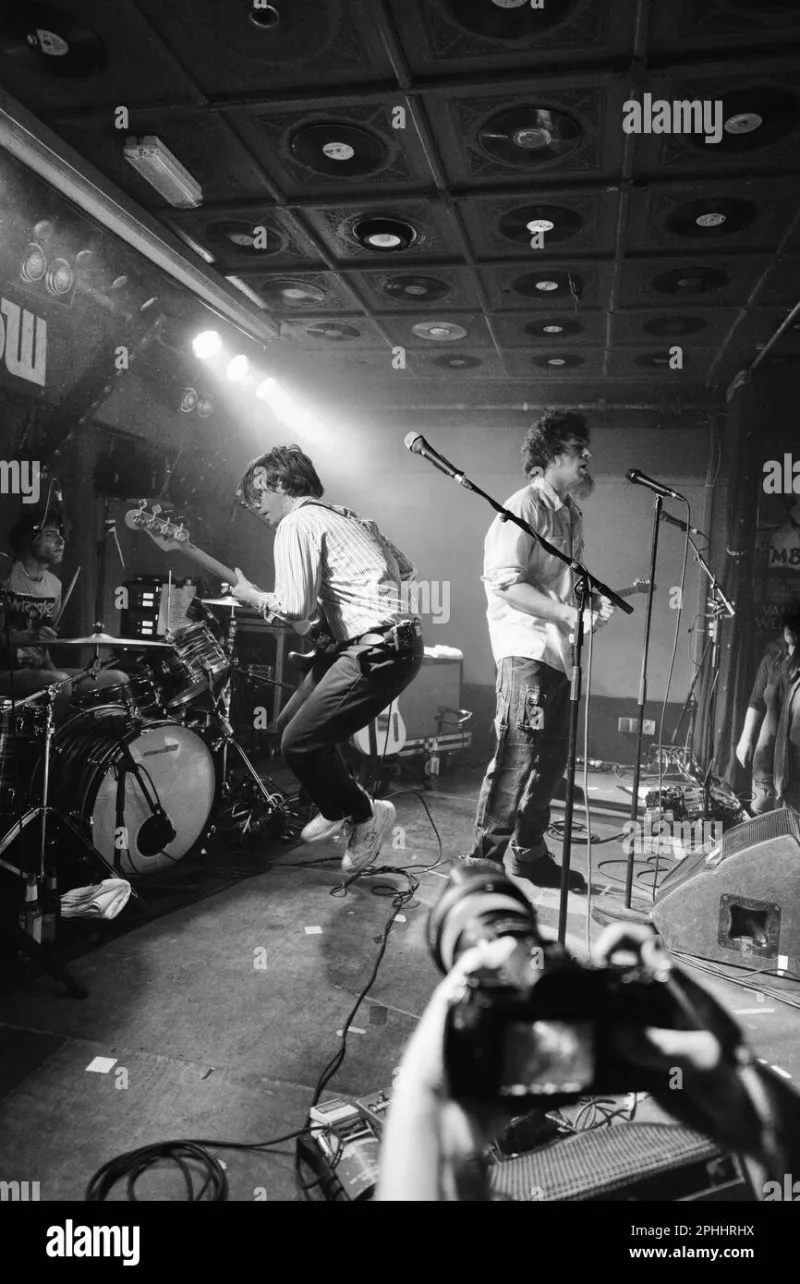
Photo: Plans4Nigel, CC BY-SA 4.0, via Wikimedia Commons
Forget the music industry for a minute. Forget the labels, the managers, the booking agents, and the PR firms. When you strip all of that away and ask the honest question — who actually keeps a band like The Varukers alive after four decades? — the answer is pretty straightforward. It's the fans. Always has been. And the way those fans have organised themselves, traded amongst themselves, and essentially built an entire parallel economy around a punk band from Coventry is one of the most genuinely remarkable stories in British music.
It's just not a story that gets told very often, because it doesn't fit the tidy narrative the music industry prefers. There's no moment of label discovery. No overnight breakthrough. No streaming milestone. Just thousands of people across the UK — and well beyond — deciding that this band matters enough to put their hands in their own pockets and make things happen.
The Bootleg Economy: Before Bandcamp, There Was the Boot Sale
Anyone who came up through UK punk in the eighties and nineties knows exactly what it looked like. You'd hear about a gig through a mate, or through a photocopied flyer stuffed through your letterbox by someone you'd met at a previous show. You'd pick up a cassette recording of a set someone had taped from the back of a venue, passed hand to hand until the sound quality was roughly equivalent to recording through a mattress. You'd find a bootleg seven-inch at a record fair, pressed by nobody official, sold by someone who clearly loved the band more than they cared about profit.
This was the Varukers economy in its earliest form. Not formal, not legal in any strict sense, not organised by anyone with a business plan. Just a network of people who wanted the music to exist and spread, and who were willing to do the unglamorous work of making that happen.
The bootleg vinyl trade in particular deserves its own chapter in UK punk history. Collectors and fans pressed unofficial records, traded them at markets from Portobello Road to Afflecks Palace in Manchester, and built an underground distribution network that predated the internet by decades. The Varukers weren't unique in this — it was how the whole scene operated — but the depth of that bootleg catalogue is a testament to how fiercely their audience wanted to hold onto the music.
Zine Culture and the Original Social Network
Before anyone had a Facebook page or an Instagram account, punk zines were doing the work of community building, gig promotion, and band advocacy. Hand-typed or hand-written, photocopied at the local library when the librarian wasn't looking, distributed through record shops and gig venues and the post — zines were the original fan media, and they were absolutely essential to The Varukers' reach.
Fan-produced zines reviewed their records, announced their tours, published interviews, and — crucially — connected fans who'd never met in person. Someone in Newcastle who'd read about the band in a zine could write to the address printed on the back page and end up corresponding with someone in Bristol who'd actually been to the gigs. Communities formed. Friendships developed. And through all of it, the band's reputation grew, entirely outside any official promotional infrastructure.
That tradition didn't die when the internet arrived — it evolved. The zine became the blog, the blog became the forum, the forum became the Facebook group. The essential dynamic remained the same: fans doing unpaid, enthusiastic work to make sure other people knew this band existed and was worth caring about.
Crowdfunding Before Crowdfunding Had a Name
Here's something the startup world would love to take credit for: the idea of fans directly funding the things they want to exist. Kickstarter launched in 2009. But punk fans had been doing essentially the same thing for thirty years before that.
Advance record orders through small distros. Benefit gigs where the proceeds went to keeping a band on the road. Fans buying multiple copies of a record not because they needed three copies, but because they wanted to make sure the pressing paid for itself. Collections taken up at gigs to cover a van that had broken down on the M6. These weren't formal crowdfunding campaigns with stretch goals and backer tiers — they were just people recognising that if they wanted the thing to continue existing, they had a role to play in making that happen.
The Varukers have been the beneficiary of that kind of grassroots financial support throughout their career. Not in a way that made anyone rich, but in a way that kept the lights on and the van moving and the records being pressed. That's not nothing. That's everything, actually.
Merch Tables and the Honour System
Walk into a Varukers gig and you'll find a merchandise table that tells you everything you need to know about how this economy works. It might be staffed by a longtime fan who volunteered for the job. The prices are fair. The quality is honest. Nobody's trying to flog you a forty-quid hoodie with a corporate logo on it.
Over the years, fan-run merchandise networks have extended this model beyond the venue. Online distros operated by enthusiasts, community group buys for limited pressings, fans in different cities acting as informal regional distributors for shirts and records — it's a dispersed, decentralised system that runs on trust and shared investment in the band's continuation.
It's also, it's worth noting, a model that's genuinely more resilient than the corporate alternative. When a major label drops a band, the merchandise deal evaporates overnight. When a fanbase has built its own distribution infrastructure, that doesn't disappear. The community owns it.
What This Actually Means
The Varukers' story is, in part, a story about what happens when a band refuses to become a product and a fanbase refuses to become a market. What emerges instead is something closer to a mutual aid network — people supporting something they believe in, getting something genuinely valuable back, and collectively ensuring that the whole thing continues.
That's not a business model. It's something more durable than that. It's solidarity. And in a music industry that increasingly treats artists as content and audiences as data points, it's also, quietly, a form of resistance.
Which, when you think about it, is exactly what The Varukers have always been about.