Gigs, Graft, and Grit: How The Varukers Stay Standing While the Music Industry Shifts Beneath Their Boots
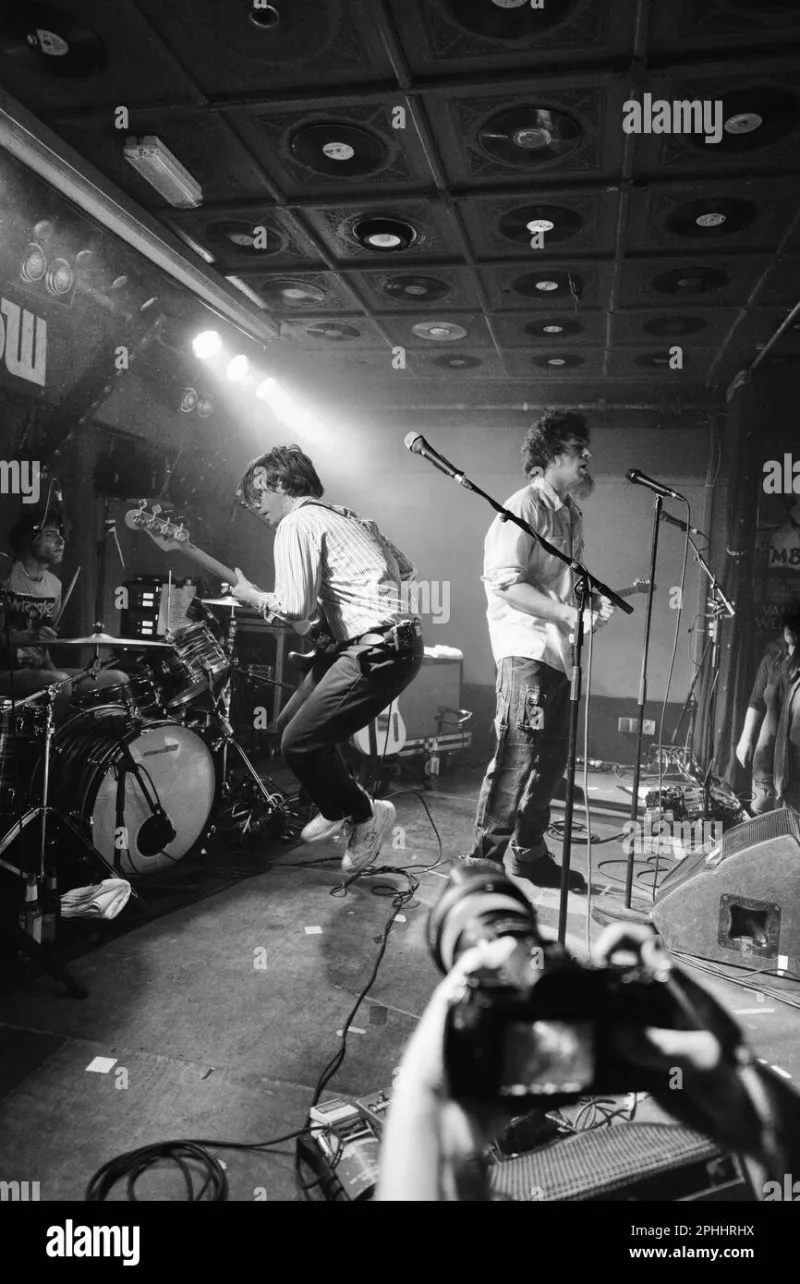
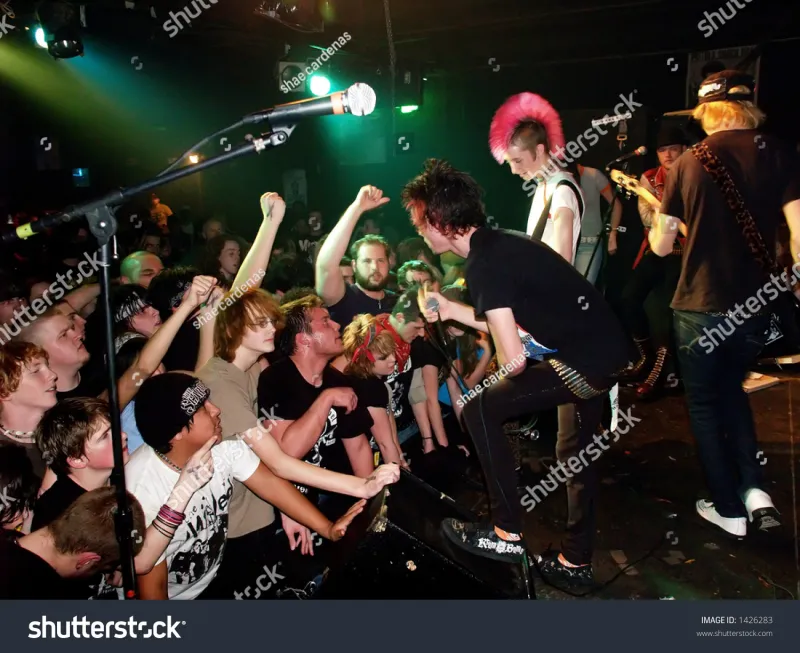
Photo: UK punk band playing small venue sweaty crowd, via leftlion.co.uk
There's a particular kind of stubbornness that runs through British punk. Not the performative sort — not the mohawks and safety pins that end up in fashion spreads — but the quiet, immovable kind that keeps a band rehearsing in a damp unit in the Midlands when every sensible person has told them to pack it in. The Varukers have had that stubbornness in abundance since the early 1980s, and if anything, the digital revolution has only sharpened it.
The music industry has been turned inside out since Rat and the lads first started rattling windows in Coventry. Streaming platforms have gutted artist revenues. Social media demands constant content. Independent venues across the UK have closed at an alarming rate — a 2023 report from the Music Venue Trust found that grassroots venues were disappearing faster than at any point in the past two decades. And yet here are The Varukers, still touring, still releasing records, still meaning something to people who've never once set foot in a Spotify algorithm meeting.
So how do you actually do it? How does a band with no major label backing, no reality TV crossover, and absolutely no interest in softening their message keep the lights on in 2024?
The Venue Circuit: Smaller Rooms, Bigger Energy
One of the most significant shifts The Varukers have had to navigate is the changing landscape of live music in Britain. The mid-sized venue — the 300 to 800 capacity rooms that once formed the backbone of UK touring — has been squeezed from both ends. Rising rents in city centres have killed off dozens of beloved rooms, while the cost-of-living crisis has made punters far more selective about how they spend their tenners.
But here's the thing: The Varukers never really left the grassroots circuit in the first place. While mainstream acts were chasing 02 Academy slots, the band continued to play the kinds of venues where the PA is borrowed, the beer is warm, and the mosh pit starts before the first chord. That loyalty to the smaller room wasn't just ideological — it turned out to be strategically sound.
"We've always known where we belong," Rat has said in various interviews over the years, and that self-awareness has kept the band connected to the communities that actually matter. Punk has never been a stadium sport, and The Varukers have never pretended otherwise. The result is a touring model built on genuine demand rather than manufactured hype — when they announce a run of dates, the people who show up are there because they actually want to be.
This also means the band can be genuinely flexible. A DIY punk show in a social club in Sheffield operates very differently from a festival slot, and The Varukers have always been comfortable moving between both. That adaptability — born from decades of making things work with whatever resources are available — is something no streaming dashboard can replicate.
Streaming: Taking What's Useful, Ignoring the Rest
Ask most punk purists about Spotify and you'll get an earful. The royalty rates are notoriously terrible for independent artists — fractions of a penny per stream — and the platform's editorial power can feel like a new kind of gatekeeping, just dressed up in a cleaner interface.
The Varukers' approach has been characteristically pragmatic. Their back catalogue existing on streaming platforms isn't an endorsement of the model; it's an acknowledgement that people will find music where it's easiest to find it. If a seventeen-year-old in Bristol stumbles across 'Sentenced to Death' on a punk playlist and then buys a shirt at a gig six months later, that's a win. The platform is a tool, not a master — and that distinction matters enormously.
What the band have been far more intentional about is their relationship with social media. Rather than chasing the kind of relentless content cycle that leaves most artists looking desperate, The Varukers have maintained a presence that feels proportionate. News about gigs. New releases. The occasional archival footage that reminds a new generation what raw punk energy actually looks like. It's not a growth-hacking strategy; it's just communication.
The fanbase responds accordingly. Punk audiences are notoriously allergic to anything that feels manufactured, and The Varukers' online presence has never tried to be anything other than what it is.
The DIY Ethic Isn't Nostalgia — It's Infrastructure
There's a tendency to frame the DIY punk ethos as a kind of romantic throwback — something that made sense when there were no other options but is now just stubbornness dressed up as principle. That reading fundamentally misunderstands what DIY actually means in practice.
For The Varukers, DIY has always been about control. Control over what gets recorded and how. Control over where and when they play. Control over the message. In an era when streaming platforms can delist an album without explanation and social media algorithms can bury content without warning, that kind of independence isn't just philosophically appealing — it's genuinely protective.
Bands that built themselves entirely around streaming metrics or social media reach have found themselves catastrophically vulnerable when the platforms change their rules. The Varukers, like many of their contemporaries in the UK punk scene, have a foundation that predates all of it: a direct relationship with an audience built through years of showing up and delivering.
That relationship is the actual infrastructure. Not the Spotify streams. Not the Instagram followers. The people who've been coming to shows since the '80s, and the younger ones they've brought along.
What Survival Actually Looks Like
It would be dishonest to pretend that surviving four decades in punk is easy or that there haven't been periods of inactivity and frustration. The Varukers' history includes hiatuses, lineup changes, and all the ordinary turbulence of keeping a band together across a lifetime. None of that gets erased.
But survival in punk has never meant continuous commercial success. It means remaining a living, breathing thing with something genuine to say. By that measure, The Varukers aren't just surviving — they're one of the clearest examples of what longevity without compromise actually looks like.
In an industry obsessed with overnight success and algorithmic virality, there's something quietly radical about a band that simply refuses to disappear. No masters. No mercy. Just the next gig.