Earplugs, Bus Fares and Standing Your Ground: A First-Timer's Guide to a Varukers Show
Photo: packed punk gig crowd with stage lights and raised fists in a UK venue, via www.shutterstock.com
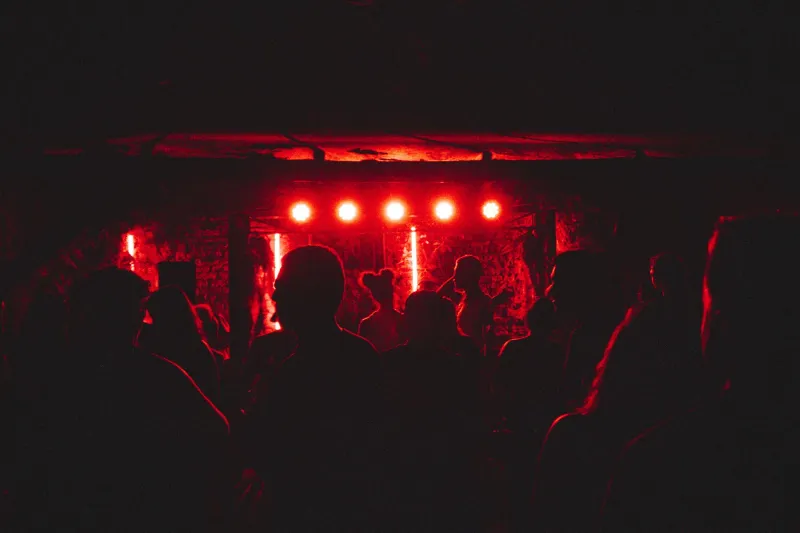
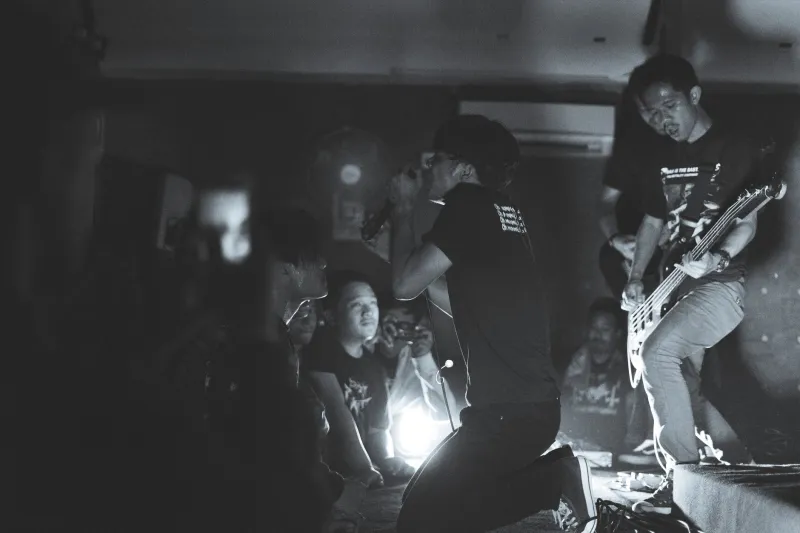
There is a specific sort of person who has loved this band for years and still never seen them live. They've got the records, they know the words, and they've convinced themselves that a real gig is a closed shop — that everyone there will somehow know they're new. Let's be clear: nobody will notice you. Nobody will care. That's not indifference; that's the most welcoming thing a room full of strangers can offer.
So here's the honest guide, written by people who have stood at the back, stood at the front, and once stood in a doorway in Stoke wondering how they were getting home.
Wear less than you think
Layers, not statements. Any venue with a low ceiling and a hundred and fifty people in it becomes a sauna within twenty minutes. Boots are good — something with grip and no sentimental value, because beer is on the floor and always has been. Dr Martens are the cliché for a reason.
Leave the nice jacket at home. Skip anything you'd be gutted to lose a stud from. If you're planning to get in the pit, take rings and loose jewellery off and empty your pockets. Nobody's going to rob you. Lots of people are going to tread on you.
Decide where you stand before the first song
There are four zones in any punk venue and each has its own contract.
- Front centre — the pit. Fast, warm, occasionally airborne. Do not start here if it's your first time.
- Front left or right — against a wall or barrier, near a stack. Loudest sound in the room, clearest view, least movement. This is the connoisseur's choice.
- Mid-room, side — the sweet spot. You can hear the vocals, you're close enough to feel it, and you can retreat without a fight.
- The bar — no shame in it. Twenty minutes from the end you can be out the door and halfway to the station.
The secret to a good gig is knowing you can move. Pick a spot with an exit route, not the one your friend sprinted to at doors.
Pit etiquette: four rules, no exceptions
- If someone goes down, you stop and pick them up. Immediately. Before the song, before your own balance, before anything.
- Elbows in, feet down. A pit is not a fight. Anyone treating it like one gets the room's shoulder and doesn't get an apology.
- Nobody gets pulled in who doesn't want to be. Check the person next to you is game before you shunt them forward. Most won't mind. Some will.
- You can walk out at any time. No explanation, no shame, no comment from anyone. Move to the side or the bar and enjoy the rest of the gig from there.
That's it. Those four rules cover about ninety per cent of what happens in front of a stage, and the other ten per cent is somebody losing a shoe.
Your ears are not disposable
This one matters and it isn't a joke. Tinnitus doesn't have an off switch. Fifteen to twenty quid buys you proper filtered earplugs — the musician's kind, not the foam cones from a DIY shop — and they cut the volume without turning everything into a woolly mush. You will still hear every word. You will also still be able to hear people talking to you in ten years' time.
If you can't afford them, stand further back and away from the speakers. There is no shame in either.
Money: a realistic night out
Prices vary, but here's a rough budget for a Saturday in a UK city.
| Thing | Typical cost |
|---|---|
| Ticket | £12–£20 |
| Earplugs | £15 one-off, lasts years |
| Travel there and back | £8–£30 |
| Merch (one shirt) | £20–£25 |
| Emergency taxi fund | £20, hopefully unspent |
Take cash. Plenty of merch stalls still run on it and a card reader at a plastic table is not the most reliable thing in the world. Which brings us to a warning: be sceptical of unofficial merch. If the logo is squint, the print is cracking and the seller can't tell you where the money goes, it's not supporting anyone. Buy from the band's own table.
Getting home when the last train's gone
The most punk thing you can do is plan your exit plan at six in the evening, not twenty past eleven when the venue is emptying. Check the final trains before you go out. Screenshot it. If the last one's at 22.50 and doors are at 19.30, you have a decision to make and it isn't about the band.
Options, in order of wisdom:
- Book a coach if there's a late one — cheaper than rail and often still running.
- Split a taxi three or four ways. Anti-social hours are social if you're with people.
- Amuse yourself until the first train. Every city has a 24-hour café, a casino, or a bus shelter that becomes a friend group by 2am.
- Sleep on someone's floor. Ask in advance. Do the same for them next time.
The worst option is the one nobody planned and everybody remembers.
The checklist
- Ticket — screenshot it, don't rely on signal
- Earplugs
- Cash, at least £30
- Photo of the train times
- A mate to text when you get home
- Phone at 60 per cent or better
- Boots, layers, no loose jewellery
- Nothing in your pockets you'd miss
One last thing
You don't have to know the song titles. You don't have to buy a shirt. You don't have to own a single patch, cut a single inch off a single sleeve, or prove how long you've been into it. Stand where you like, wear what you like, leave when you need to.
The band have spent decades making sure the door is open and the ticket is cheap. Walking through it is the whole gesture.