Your Shout, Their Stage: The Messy, Brilliant Reality of Fan-Driven Setlists
There's a particular kind of tension that lives in the space between a punk band and its audience. On one hand, the whole ethos — no masters, no gatekeepers, no one telling you what to do — suggests the band answers to nobody. On the other hand, punk was always for people. Working-class people. Angry people. People who needed something that sounded exactly like how they felt. So when those same people start shouting for a track that hasn't appeared in a set for eight years, what's a band supposed to do?
For The Varukers, that question isn't theoretical. It's something that plays out at every gig, on every social media post that announces a tour, and in every sweaty exchange at the merch table after the house lights come up.
The Anti-Hierarchy Band With a Setlist Problem
Here's the contradiction at the heart of it. A band that's spent decades railing against authority, against systems that grind people down, against the idea that some voices matter more than others — that band still has to stand on a stage and decide which songs get played. Somebody has to make that call. And whoever makes it is, technically, exercising exactly the kind of power punk claims to despise.
The Varukers have never pretended this tension doesn't exist. What they've done instead is something more interesting: they've let the audience into the conversation. Not in a manufactured, corporate-approved way — not a slick app where you vote with your smartphone and the algorithm spits out a crowd-pleasing set. More like the way things actually work when people respect each other. You listen. You consider. You sometimes do what you're asked, and sometimes you don't, and you're honest about why.
That's a more genuinely democratic approach than most bands manage, and it's worth unpacking.
Social Media and the Permanent Shouted Request
Anyone who follows The Varukers online will know that tour announcements reliably produce a cascade of responses that function as informal setlist lobbying. Drop a post saying you're playing Leeds or Bristol and within an hour you've got a thread full of people making their case. Play Soldier Boy. Play Die For Your Government. For the love of everything, play Massacred Millions.
The band reads those comments. That's not a romantic assumption — it's just how small, fiercely independent punk acts operate. There's no social media manager filtering things through a PR lens. When someone tags the band and says a specific track changed their life, that lands differently than it does for a major label act with a marketing team between them and their fans.
Does every request get honoured? Obviously not. A setlist isn't a jukebox, and a gig isn't a greatest hits night unless you want it to be. But the pattern over recent years suggests that sustained, repeated fan pressure around particular songs does shift what ends up on the stage. Tracks that had drifted out of rotation have resurfaced. Deep cuts that meant something specific to a specific community have reappeared in cities where those communities are strongest.
That's not coincidence.
The Venue Floor as Negotiating Table
Social media is one thing. The actual gig is another entirely, and it's where the setlist democracy gets most interesting — and most chaotic.
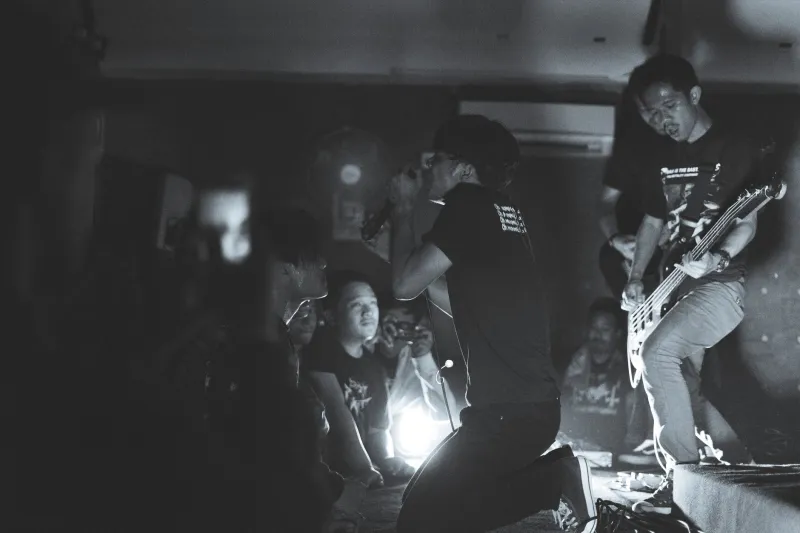
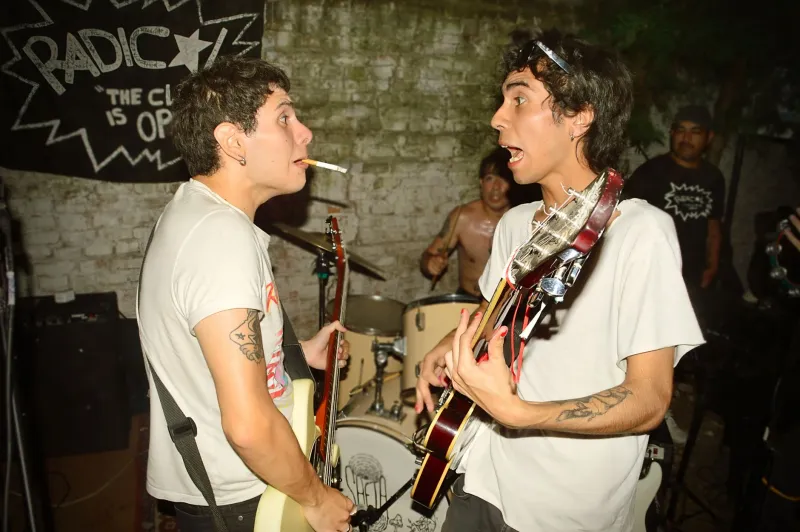
Anyone who's been to a Varukers show knows that the barrier between band and crowd is more of a suggestion than a boundary. People shout requests. The band occasionally responds, occasionally ignores it, occasionally has a brief, blunt exchange about why that song isn't happening tonight. It's rough and real and nothing like the managed interactivity you get at arena shows where a performer cups their ear theatrically and asks the crowd what they want to hear.
There's something genuinely punk about the honesty of that exchange. The band isn't performing democracy — they're actually doing it, with all the awkwardness that involves. Sometimes the answer is yes. Sometimes it's not tonight, mate. Sometimes it's a shrug and a grin and then three songs later the thing you asked for appears without acknowledgement, which is arguably the most punk response of all.
Venue-specific requests are a real thing too. Play a gig in a city with a particular history — a place where a specific record soundtracked something meaningful for a local scene — and the audience arrives with a collective expectation. The Varukers have played enough of those rooms to understand that a setlist isn't a fixed object. It's a document in negotiation with geography, memory, and whoever's standing in front of you on a given night.
When the Crowd Wants Nostalgia and the Band Wants Forward
Here's where it gets genuinely complicated. Fan input tends to pull toward the familiar. People want the songs they grew up with. They want the tracks that hit them at seventeen in a venue that no longer exists. That's not cynicism — it's entirely human.
But a band that's been making music for as long as The Varukers has also has newer material it believes in. Stuff that reflects where the politics are now, what the anger looks and sounds like in the current moment. And there's a real tension between honouring the catalogue that built your audience and insisting on the relevance of what you're making today.
The Varukers have generally managed that tension better than most. They don't lean so hard into legacy that the set becomes a museum tour. But they also don't chase novelty at the expense of the songs that made people care in the first place. The fan input, when it comes, mostly reinforces that balance — because the tracks people shout for tend to be the ones with the most political bite, not just the ones with the most nostalgia attached.
That's telling. It suggests the audience isn't just asking for comfort. They're asking for the songs that still mean something. The ones that still describe the world they're living in.
Democracy With a Bit of Grit In It
No punk band should be entirely beholden to audience demand. Creative autonomy matters. The right to make something new and challenging and potentially unwelcome is part of what makes art worthwhile. A setlist built entirely by committee would be flat — a reflection of the past rather than a statement about the present.
But The Varukers have found something worth keeping in the messy back-and-forth between band and crowd. Not a formal process. Not a poll with a percentage breakdown. Just a genuine, ongoing conversation between people who care about the same things, conducted through shouts and comments and the occasional moment after a gig where someone tells a band member exactly what they needed to hear that night.
That's not a system. It's something better. It's what punk looks like when it actually means what it says about belonging to everyone.