Sacred Setlists: The Songs The Varukers Will Never Drop
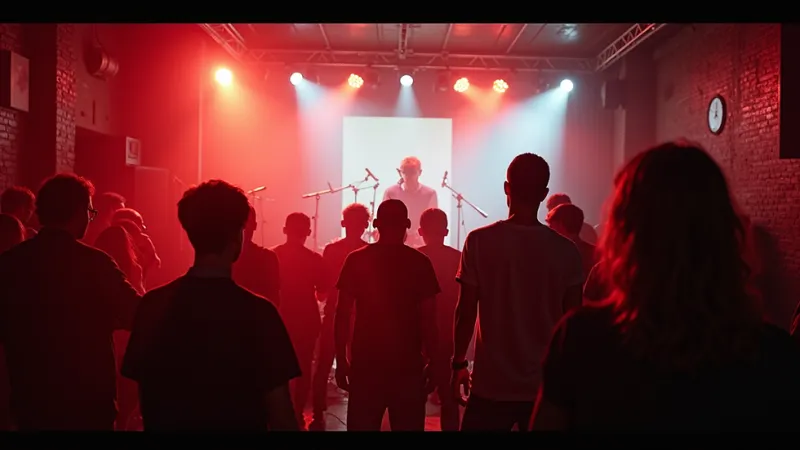
There's a moment at every Varukers gig — usually about three songs in — when the crowd stops being a crowd and becomes something else entirely. A single organism. A wall of fists and voices that knows exactly what's coming next, even before the first chord lands. That's not accident. That's not nostalgia. That's the result of a setlist philosophy built over decades of playing rooms where you earn your keep or you don't come back.
The question of which songs stay in the rotation and which ones get rested is one that every band eventually has to wrestle with. For most acts, it's a commercial calculation — what do the casual fans want to hear, what shifts merch, what makes the promoter happy? For The Varukers, it's always been something rawer and more honest than that. It's about what the songs still mean, both to the band and to the people standing in front of them.
The Ones That Earned Their Place
Certain tracks have appeared in Varukers setlists with such regularity that they've essentially become part of the band's constitution. 'Seek Shelter in Hell', 'You Stupid Bastards', 'Die for Your Government' — these aren't just fan favourites in the polite, chart-friendly sense of the phrase. They're rallying cries. They're the songs that first made people feel seen, heard, and furious in equal measure.
What makes a song earn that kind of permanence? It's rarely about technical complexity or even melodic brilliance, though The Varukers have plenty of both. It's about whether the lyrics still land like a punch. And in Britain right now — with its food banks and crumbling public services and politicians who've made an art form out of looking concerned while doing absolutely nothing — songs written in the early 1980s about state violence, government indifference, and working-class survival feel less like historical documents and more like live dispatches from the front.
That's the brutal truth about why The Varukers' core setlist hasn't needed a major overhaul: the conditions that inspired the songs haven't gone anywhere. If anything, they've got worse.
The Tension Between Old and New
Every band with a back catalogue worth caring about faces the same dilemma. Play too much new material and you risk alienating the faithful who've been there since the beginning. Lean too hard on the classics and you start to feel like a heritage act, a museum piece, something to be appreciated rather than experienced.
The Varukers have navigated this better than most, and the reason is fairly straightforward: they've never chased relevance. When you're not trying to stay on trend, you don't have to make awkward compromises about what gets played. New songs earn their place in the set the same way the old ones did — by being genuinely good, genuinely angry, and genuinely rooted in something real.
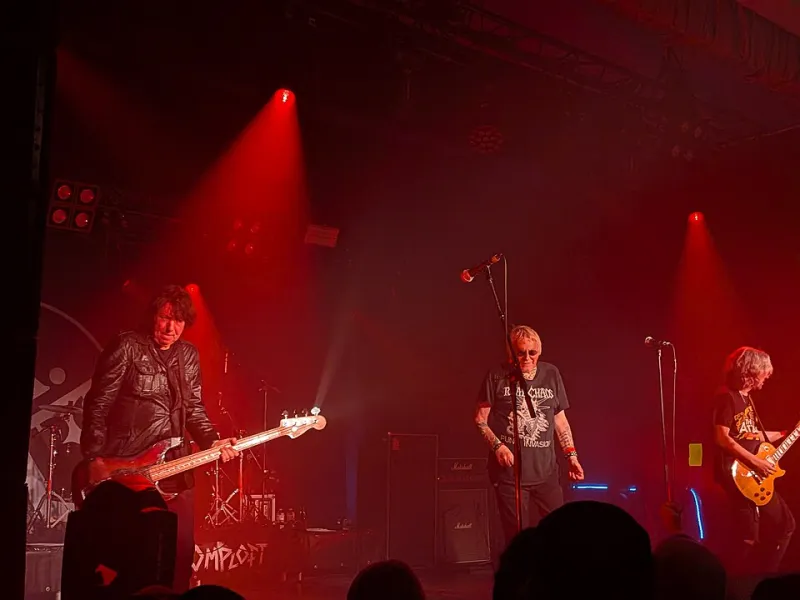
That said, the band aren't precious about the balance. A Varukers set in 2024 isn't a greatest hits package delivered with a wink and a commemorative T-shirt. It's a working set, built for the room, for the night, for the people who've turned up because they need it. New tracks get slotted in. Older deep cuts occasionally resurface. The core remains, but it breathes.
Why Punk Setlists Work Differently
It's worth pausing to think about why this conversation plays out differently in punk than in virtually any other genre. A stadium rock band dropping a fan favourite from the setlist is a PR disaster. An indie band rotating their tracklist is considered artistically adventurous. But in punk, the setlist is almost a social contract.
The people in that room have often travelled miles, stood in queues in the rain, paid over the odds for a warm pint, and done it all because they need to hear certain songs in a certain context — live, loud, surrounded by people who feel the same way. That's not passive consumption. That's community ritual. And The Varukers understand this better than almost any band operating in the UK punk space today.
Dropping a song that's become part of that ritual isn't just a creative decision — it's a statement about your relationship with your audience. The Varukers have always treated that relationship with respect, which is precisely why the people who've followed them for thirty-odd years still show up like it matters. Because it does.
Setlist Patterns Across the Decades
Look back across documented Varukers setlists from the mid-1980s through to recent tours and a few things become immediately clear. The running time has shifted — early gigs were often blisteringly short, all fury and no filler — but the structural logic has remained consistent. Open hard, sustain the intensity, don't let the energy drop, close on something that leaves people wrecked in the best possible way.
What changes over time is the texture around the anchors. In the 1980s, almost everything was new — the band were still building their catalogue, still working out what they were. By the 1990s, the question of legacy started creeping in, and certain songs began to calcify into essentials. By the 2000s and beyond, the setlist had a spine that rarely shifted, with room around it for experimentation.
This is actually a sign of a healthy band rather than a stagnant one. The songs that have stayed aren't there because nobody could be bothered to replace them. They're there because they've been tested, night after night, and they keep working. They keep connecting. You don't fix what isn't broken, and you certainly don't retire a song just because it's old.
Honouring the Past Without Being Imprisoned by It
There's a version of this story that ends badly — the band trapped by their own history, unable to move forward, playing the same thirty minutes of material on an endless loop until the whole thing collapses under its own weight. The Varukers have avoided that fate, and the reason comes back to intent.
The songs they keep in the set aren't there as tribute to a golden era. They're there because they still do something. They still shift something in the room. They still make someone at the back of the venue feel less alone in their anger, their grief, their refusal to accept things as they are.
That's what separates a setlist built on conviction from one built on nostalgia. Nostalgia looks backwards. Conviction looks the audience dead in the eye and says: this is still true, this still matters, and we're not done yet.
The Varukers have never been done yet. And the setlist proves it every single night.