Who Do You Even Email? A Working Guide to Landing Your First Support Slot
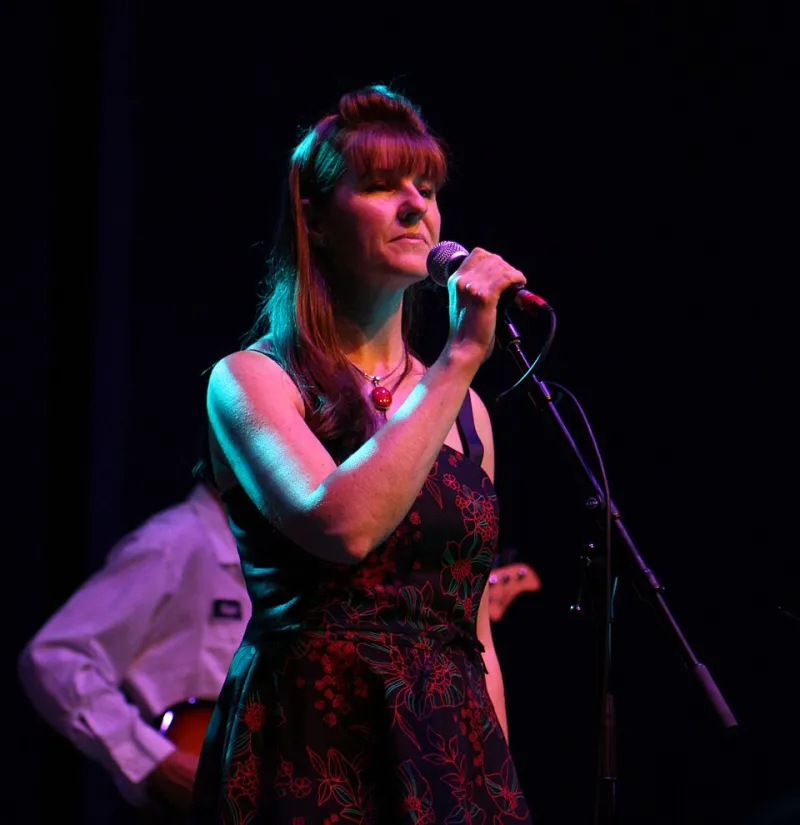
Photo: alterna2, CC BY 2.0, via Wikimedia Commons
Right. You've got four songs, a borrowed amp and a burning need to play to forty people in the back room of a pub in Digbeth. Here's the bit nobody puts on the poster: getting the gig is a completely different skill from playing one, and it's about ninety per cent admin.
The Varukers came up through a circuit where the promoter was often the singer from another band, the PA was borrowed off a bloke with a van, and the night's profit was a round of drinks and a tenner towards petrol. That circuit still exists. It's smaller, it's more scattered, and it runs on group chats rather than handbills, but the mechanics are identical. Somebody has to ask. Somebody has to say yes. Don't be too proud to be the one asking.
Start with the room, not the band
New bands get this backwards. They chase the biggest name they can think of, fire off a message, hear nothing, and conclude the scene is closed. It isn't — you just aimed at the wrong person.
Forget the headliner. Find the rooms. Every town has a handful: the upstairs of a pub, the back room with a stage four inches off the floor, the arts centre that does punk nights twice a month, the social club that someone's uncle runs. Find out who puts nights on in those rooms. It's usually one person, often in their twenties, doing it after a shift, answering messages at midnight. That person is not a gatekeeper. They are desperately short of support acts.
Go to the gigs before you ask for one. Buy a ticket. Be a face in the room. This isn't cynical networking; it's just how small scenes work. People book bands they've seen behave.
The email that works
Keep it under a hundred words. Promoters are drowning. Subject line: the band name, the town, the date or month you're asking about. Then: who you are, where you're from, one link, one line about what you sound like, and a plain offer to take the opening slot on anything going.
Do not attach a press kit. Do not attach a biography. Do not use the phrase 'we're a four-piece blending punk with elements of.' Nobody is opening that on a phone at half eleven at night.
One link. Streaming link is fine, but a single video of you playing live in a room is better, because it proves you can actually do the thing.
And then follow up once, a fortnight later. Once. Not five times. Once is keen; five is a problem.
Three songs, recorded badly, on purpose
Your demo does not need to be good. It needs to be clear. Three tracks, under two and a half minutes each, recorded in one room, with the vocals loud enough that a stranger can work out what you're on about.
A phone propped on a chair in a rehearsal room will beat a slick studio EP for this purpose every single time, because the promoter is not assessing your production. They're asking three questions: can this band play, will they turn up, and will they be sound. A scrappy live video answers all three.
What kills a demo is the thing that eats most new bands: over-recording. Twelve guitar layers, triggered drums, a reverb that makes it sound like it was played in a cathedral. If that's the recording, what's the live show? Nobody wants to find out the hard way on a Tuesday.
Soundcheck is the audition
You will be offered the support slot, not headlining. That means you get twenty-five minutes, a line check rather than a full soundcheck, and you are expected to be off stage fast.
So: arrive early. Load in quickly. Know where your gear goes so you're not asking the sound engineer to make decisions for you. Have your running order written down and hand it over. Say yes when they ask you to turn down, even if you think you're already quiet. Thank the engineer by name — they are the only person in the building who can ruin you without meaning to.
Then play like it's a headline set. Short gaps between songs. No tuning monologues. Say the headliner's name out loud from the stage. It costs nothing and it gets you asked back.
The van, the merch and the arithmetic
Be honest with yourself about the money. Support slots at this level pay petrol, or nothing, or a cut of the door if the promoter is feeling optimistic. That is normal. That is not an insult.
Work out costs before you say yes. Van hire or fuel split, parking, the inevitable round for the headline band, and the fact that the last train has gone by the time you've loaded out. A gig that costs the band forty quid to play is a hobby. A gig that costs two hundred is a problem.
On merch: print a short run of cheap shirts and a tape. Tapes still sell at this level because they're three quid and they fit in a pocket. A table at the back with a hand-written price card will outsell a slick setup because people would rather buy from the band they just watched, not from a website.
The follow-up that gets you asked back
Send a message the day after. Thank them. Tell them the door seemed decent, or that the sound was good, or that the headliner were great. Include one photograph if you've got one. That's it.
Promoters remember the bands who made their night easier. Not the best band — the easiest one. Turn up, play hard, clear your gear off the stage, buy a drink, watch the other bands. Do that three times in a town and you become the obvious first call.
The point of all this
Nobody is coming to discover you. The industry doesn't work that way any more, if it ever did. What works is the same thing that worked when this band were hauling a van around the Midlands: build the room yourself, with other people, one night at a time.
The circuit you're trying to get onto was built by people who didn't wait to be invited. Get on it. Then book somebody else.